
QBRI, a leading neuroscience-centric platform in Estonia, has been carefully selected by a consortium of influential Baltic stakeholders forming the Impact Valley Accelerator Programme, led by Katalista Ventures, Baltic Innovation Agency, Reach for Change, and Social Enterprise Estonia.

World Mental Health Day is a day to celebrate the human spirit's resilience and the power of compassion. It reminds us that mental health matters, and it is something we must actively nurture, protect, and advocate for.

We will delve into the various applications of IoT in mental health, from monitoring and early detection to telehealth and personalized treatment plans. Moreover, we will address the ethical considerations and privacy concerns surrounding the use of IoT in mental health.

In the dynamic landscape of digital health, where innovation holds the promise of transforming mental health solutions using innovative technologies, a new regulatory player has taken center stage in Europe.
QBRI has been nominated for the prestigious 2023 Central European Startup Awards by Global Startup Awards in the Best HealthTech category for our visionary approach toward mental health, fueled by cutting-edge technologies such as social networks, blockchain, and AI.
Health-tracking devices and apps are becoming part of everyday life. More than 300,000 mobile phone applications claim to help with managing diverse personal health issues, from monitoring blood glucose levels to conceiving a child.
Quantum Brain Research Institute (QBRI OÜ) secures a partnership agreement with Neuphony to provide comprehensive brain mapping solutions for mental healthcare.
According to CDC surveillance data, untreated mental illness is associated with lower use of medical care, reduced adherence to treatment therapies for chronic diseases, and significantly higher risks of adverse health outcomes.
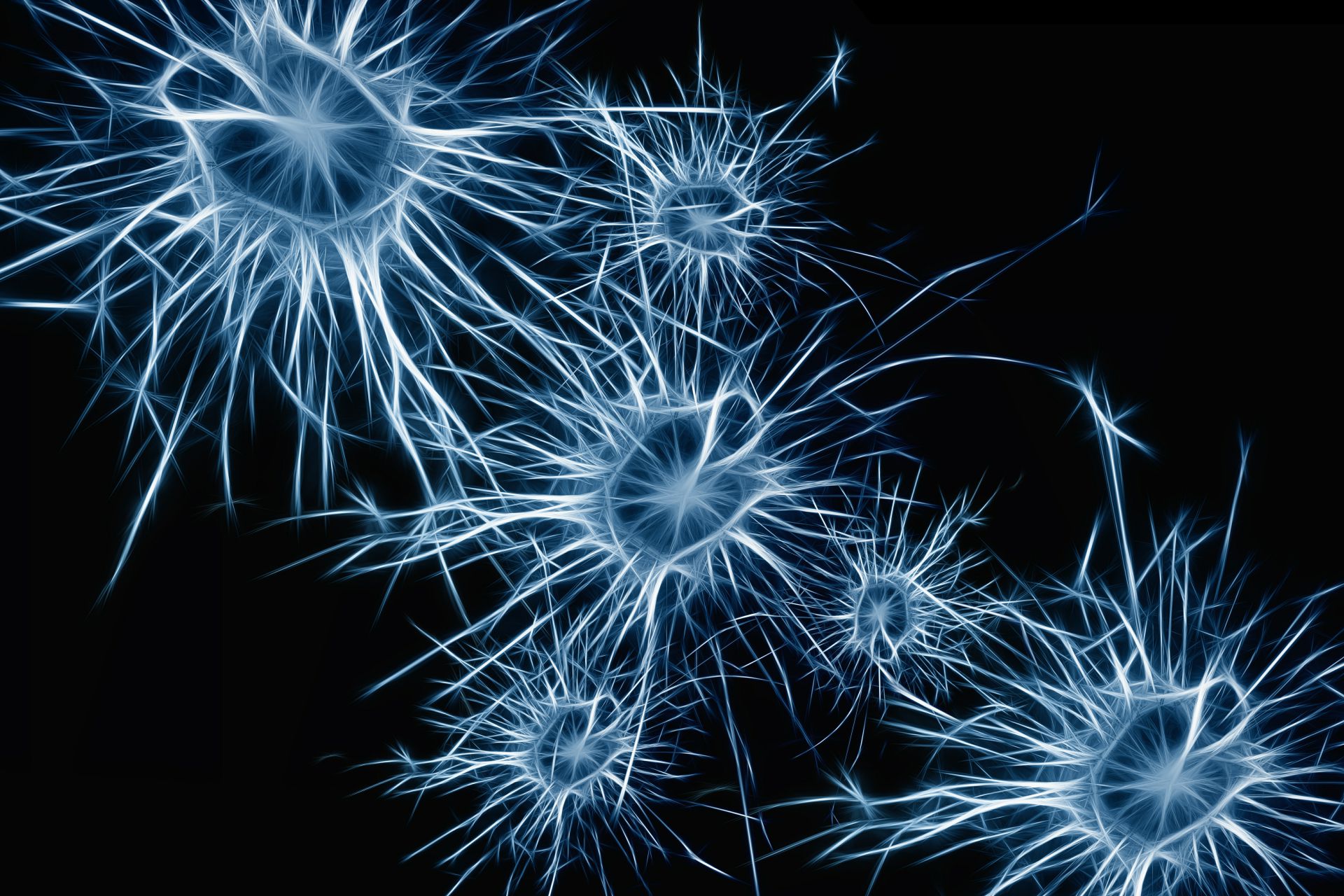
One who sleeps like a log throughout the night must be with an uncluttered mind. Sleep plays an integral role in maintaining our sanity as long-time sleep deprivation can lead to serious mental disorders.
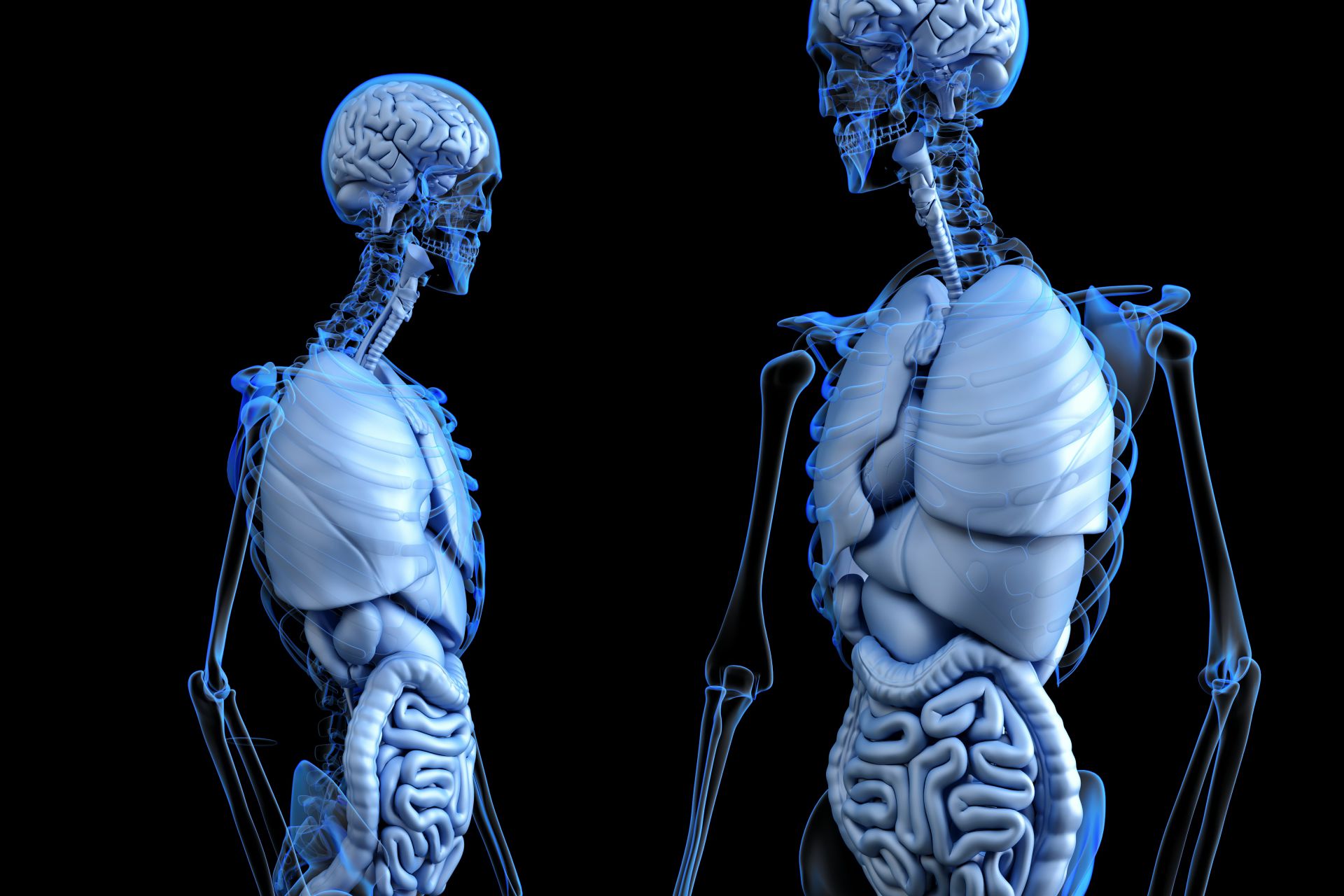
Depression and anxiety cost the global economy an estimated $1 trillion annually, not just in direct healthcare costs but in lost productivity, damaged relationships, and diminished quality of life.